Smarter Data. Compliant Growth
Supplied automates data collection, orchestration, and enrichment for compliance – so you can focus on growth, not regulations.



Helping 100+ customers simplify their compliance while saving time and cost


Trusted by businesses of all sizes
"We’ve saved at least 65% in costs compared to similar tools, and the additional features like automated onboarding made it a no-brainer!"
Hannah
Onboarding Specialist at Brenger
With Supplied you get
Reduction in compliance cost
Days to onboard suppliers
Reduction in reporting labor
Security & Trust
Your data is always protected
RA sign-off, Authority filings, Auditor support, all through one API.


By streamlining complex data and compliance processes, Supplied helps you to operate more efficiently and stay compliant with ease.
All-in-one platform
Key features of our Modular, AI-driven Compliance Solutions
Everything you need to generate smarter data, onboard faster, reduce risk, report, and stay compliant stress-free and with ease
Save Time
Collect & Enrich data faster
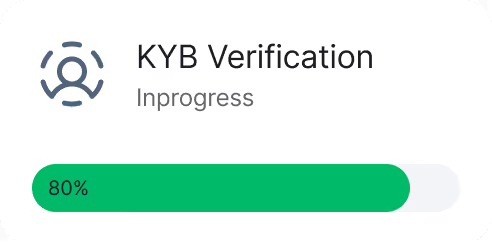
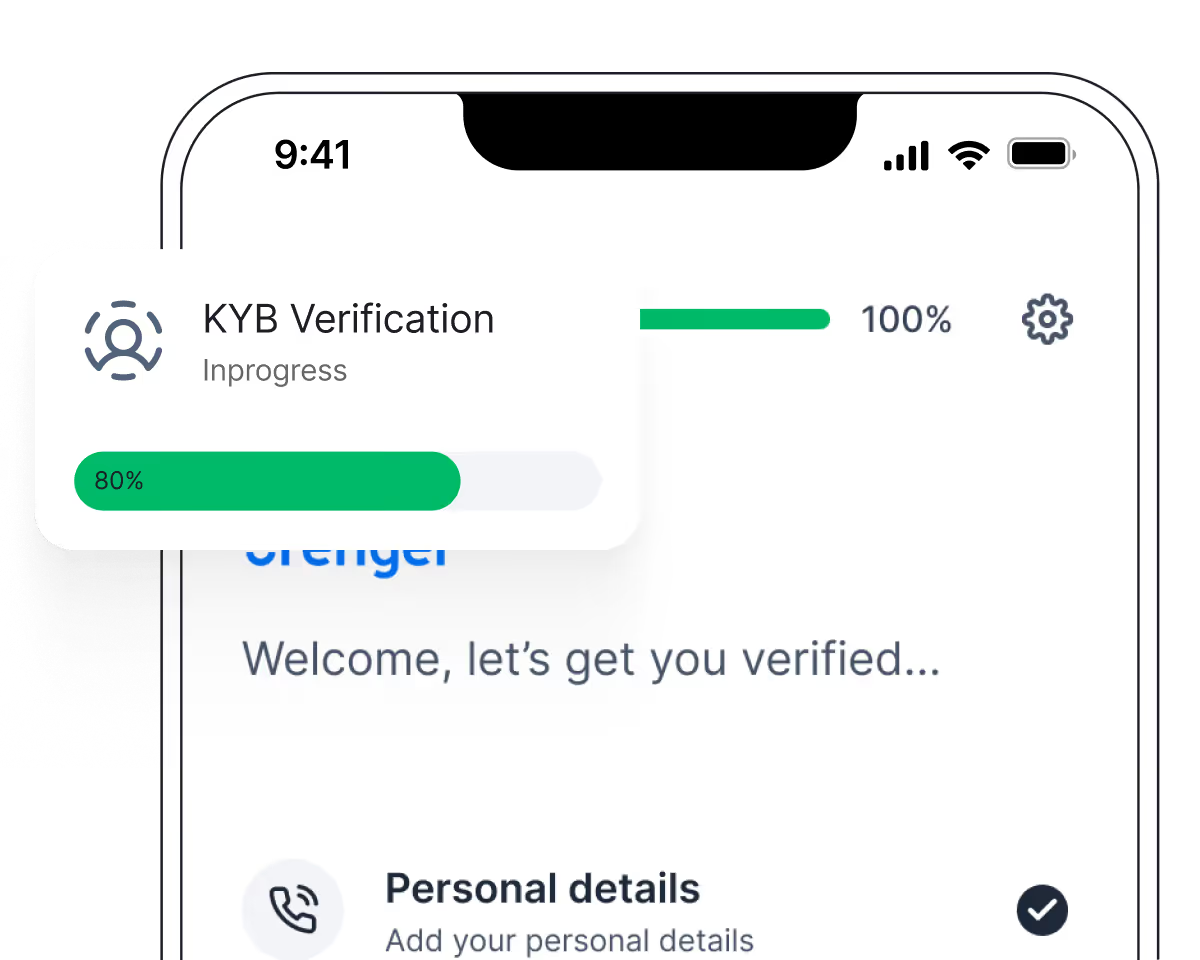
Collect and enrich any missing data on your customers and users. You can also onboard and approve them in minutes, not days with our custom data collection workflow, global document analysis, real-time identity and business checks, UBO detection, and automated watchlists.
Stay compliant
Report smarter
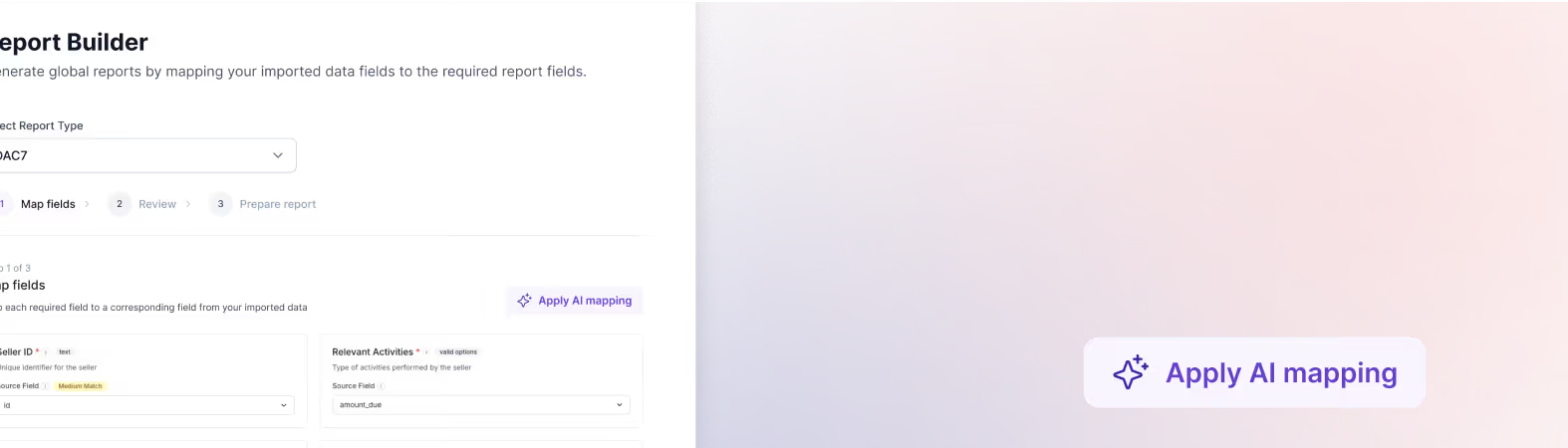
Build, validate, and submit regulation-ready reports without rebuilding your data stack. Frameworks like DAC7, DAC8 / CARF, CSRD, DRR, VAT, DSA and others are mapped directly to official regulatory specifications.
Connect everything
Orchestrate your data
Our data integrations & orchestrations ensure compliant supplier registration, watchlist screening, tax & bank verifications, all in one integrated toolkit.
DIGITAL PLATFORMS
DAC7 Automation
Get Compliant with DAC7 in 3 steps: From onboarding sellers to submitting reports to the tax authority we automate it all, so you're always audit-ready and in control.
.avif)
digital services
DSA Toolkit
We provide a DSA Toolkit with customizable KYC, KYB, Watchlist, Tax and Bank verification to meet DSA requirements for onboarding, management and reporting auditability
Crypto platforms
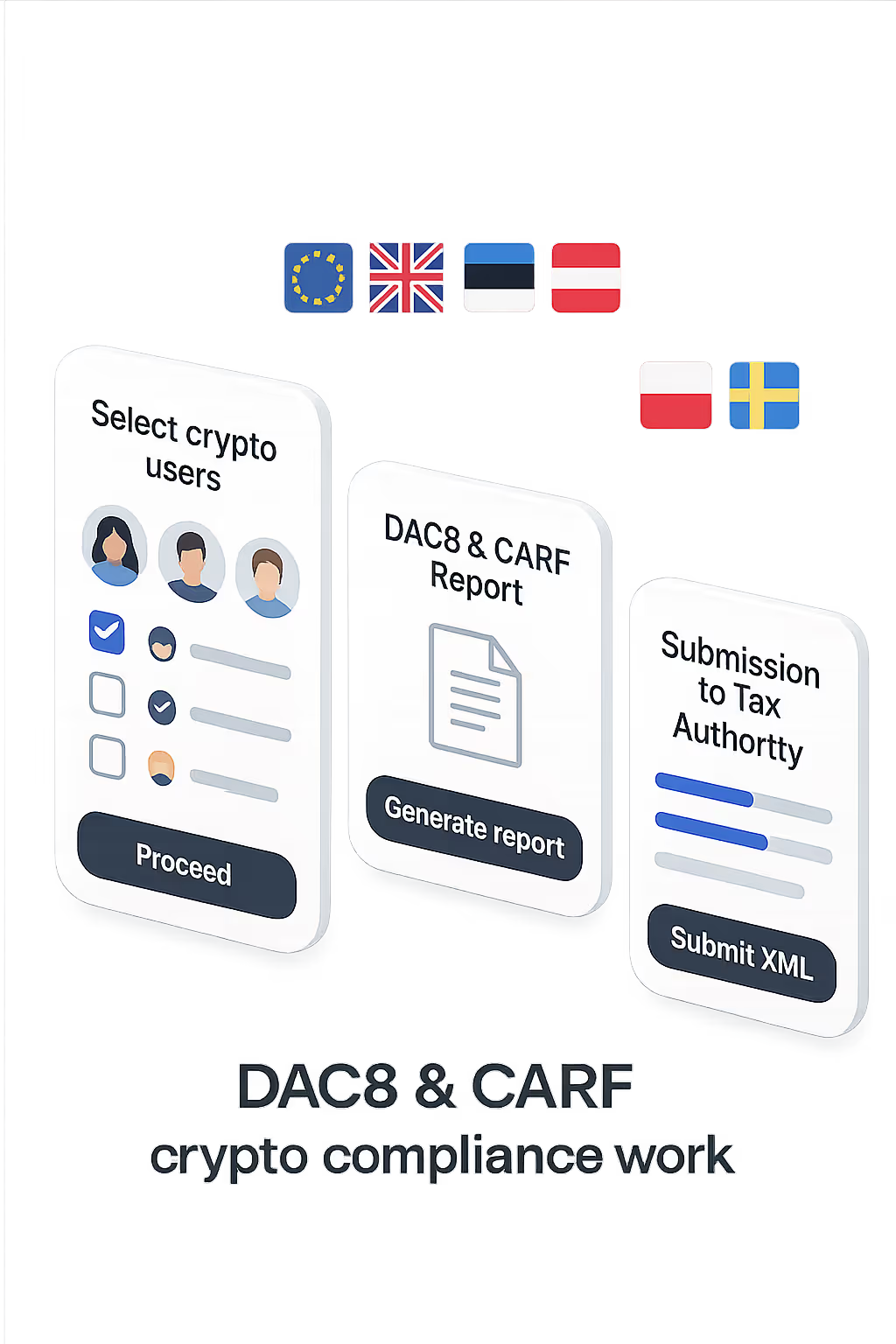
DAC8 and CARF Automation
From onboarding crypto-asset users to submitting transaction reports to tax authorities, we automate DAC8 and CARF compliance so you're always audit-ready and in control
For something as complex as tax compliance, Supplied delivers clarity, ease, and support you can count on

Supplied guided us through DAC7 reporting with a personal approach that gave us confidence and delivered a fully compliant result

We’ve saved at least 65% in costs compared to similar tools, and the additional features like automated onboarding made it a no-brainer!

Who Supplied is built for
Data & compliance automation for the teams who need it most
From digital platforms subject to reporting regulations and companies with strict onboarding requirements to accounting firms and consultants, Supplied transforms manual work into efficient, scalable processes.
Digital Platforms & Marketplaces
Fintech Platforms
Gig Economy & Workforce Management
Global Businesses with Multiple, Complex Structures
Accounting & Advisory Firms
Travel & Tourism Platforms

Supplied helps product, finance, and compliance teams work better together in one platform.
Connect to over 700 available systems to import your data
Supplied integrates with over 700 systems to import, orchestrate, verify, and enrich your data for smarter use, better decision-making, and simple reporting.
Frequently Asked Questions
Still wondering?
Both — and you can switch any year. Some clients tag year one with our managed service, then take year two and three into the self-serve editor because the mapping is already done. The mapping stays yours regardless.
They’re automatically flagged. We can send reminders, show status in your dashboard, and if you choose, hold payouts until requirements are met.
Most teams launch in days. Start with CSV/Sheets, then connect systems as you go. We provide templates, sandbox testing, and a simple checklist.
We follow GDPR, use encrypted storage and transport, role-based access, and full audit logs. You control who sees what. Data exports and deletion are supported.
Yes. You can import from CSV, Excel, Google Sheets, accounting systems, and payment providers. We also offer an API and bulk upload, so you don’t need to re-build anything.
Join us
Start your compliance journey
Reduce risk, accelerate onboarding, and stay globally compliant, all through one API.

100k+ users already saving costs

.jpg)

Footer
